
Tag: ageing

  • Changes in Lifestyle

    Changes in Lifestyle

    How Have you Changed Over the Years?

    Lifestyle changes may mean you have put on  weight and/or your skin may have become dull.   It is always helpful to have the support and encouragement of someone who has your best interests at heart.  Enlisting an expert can help you cope with changes to your lifestyle.

    Style and Clothing – Fashion and style can become stressful if you dont know where to start.  Here ere are a couple of tips:

    1. As you go to put something on in your wardrobe if it doesnt “rock your boat” put it aside – Your personal stylist can help you work out why it is you always bypass this item of clothing.  
    2. Choose some favourite pieces and keep them in your wardrobe.   Is there a common theme with these clothes? Do they work for your current lifestyle?
    3. A personal stylist can give you ideas on how to wear those favourite clothes. They can help you work out why they are your favourites. By making changes you can feel as though you have a whole new wardrobe.
    4. Experiment with your clothes, try  some mixing and matching, try different colours, see what is trending these days and most importantly what is  comfortable and “feels right”.  
    5. Even in countries where changes in seasons are not very distinct it is nice to have seasonal changes in your wardrobe – usually  bright colours in summer and more subdued, subtle colours for winter depending on your colour palette.
    6. Innerwear is as important as outerwear.  Determine your right size and have a professional fitting.  Changes to your lingerie can also make a difference to your whole look.  Just like the foundation for a house, if our foundation garments are good it creates a much better shape.

    Makeup and Accessories – Makeup enhances natural beauty and is a way to express yourself. Eyeliner and/or a quality mascara and a bold lipstick that matches well with your skin tone is one way to make changes to your look.

    Accessories from bags to foot wear, necklaces, bracelets and earrings help you to achieve a stylish look to go with the changes in your lifestyle.

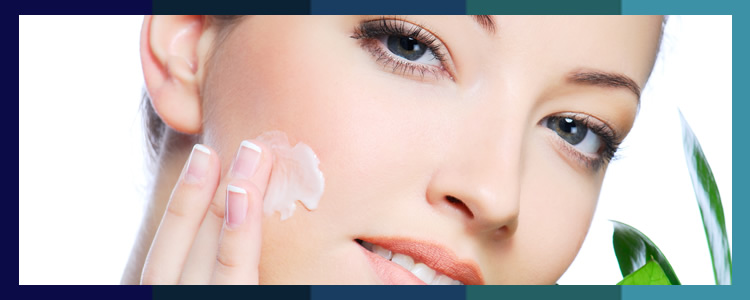
    Skincare – Not all individuals have the same type of skin, some have oily skin and others can have dry, sensitive or normal skin A product range that works for you will be individual and this is why it is good to have a range that you can “try before you buy”.  Not every range suits every person and this is a personal choice.  Ask the advice of a Beauty Therapist. Skin changes as we age and as well as skin types there are different skin conditions to cope with.   If you are trying a product out give the range at least 28 days for skincare to work as our skin renews every 28 days. 

    For advice on coping with style, skincare and cosmetics to go with changes in your lifestyle contact Moana Robinson from Beauty Glow.
     

  • Your Skin

    Your Skin

    Are You Looking After your Largest Organ?

    Your skin is a living, breathing organ.  It is the largest organ of the human body.  It is complex in its structure and function. 

    Did you know that our skin comprises approximately 15% of our body weight; contains one half to two third of the blood in the body and one half of the primary immune cells?

    Our bones, muscles and our internal organs are  not exposed to the environment like  our skin is which is why it is so important that we look after this very large organ of our body.

    Each inch of skin contains

    ▪   Millions of cells

    ▪   15 feet of blood vessels

    ▪   12 feet of nerves

    ▪   650 sweat glands

    ▪   100 oil glands

    ▪   65 hairs

    ▪   1300 nerve endings

     There are two main layers the dermis and the epidermis.  The epidermis is the thinner outermost layer.  The dermis is the lower layer of the skin and is about 25 times thicker than the epidermis.  It provides the supporting framework of the skin and also contains numerous hair follicles nerves, glands and blood vessels.

    The depth of the epidermis varies in different areas of the body – for instance the depth of the epidermis on the soles of the feet and in the palms of the hand is thicker than the eyelid where it is extremely thin. 

    Primary functions of the skin are protection, sensation, heat regulations, excretion (through the sweat glands) to perspire and detoxify and secretion (through sebum or oil) and absorption – the skin selectively absorbs topical products and creams.

    Our skin needs to be looked after to keep it in optimum condition.  Plenty of water,  the right sort of nutrition (food), fresh air and exercise all contribute to healthy skin.

    Age, and also lifestyle factors affect our skin.  As we get older our skin thins and it loses its elasticity and strength.  Collagen gives skin its strength and elastin its elasticity. 

    We also need to use the right skin care.  Always use the best.  The best may not always be the cheapest and it may not always be the most expensive.  Knowledge and scientific research should be behind all good skincare products.  The range you use should always be free of harmful ingredients and should exceed industry standards for purity.  Clinical testing should always be carried out on the range of products you choose.

     Our skin cells do their work twice as fast at night while we are sleeping.  This is why it is so important to cleanse, tone and moisturise both morning and night.  We need to remove the dead skin cells that have built up overnight while our night cream has done its work – keeping the skin hydrated as well as assisting with this skin renewal process.

    It is so important to remove makeup before retiring at night.  One night of sleeping with your makeup on ages your skin by 7 days!!!

    Some people have great skin.  To keep it great they need to have a maintenance routine.  Some people have problem skin which can always be treated.

    There are basically four skin types – Oily dry normal and combination.   Your skin type is genetically determined

    To work out skin types beauty therapists and skin specialists normally look, ask and go by touch.  Oily skin types will have a shine even straight after cleansing, it will feel soft and supple to the touch.   Oily skin is characterized by excess sebum/oil production.  The follicle or pore size is larger and contains more oil.  If the pore size is larger over most of the face this would indicate an oily skin.  Oily skin requires more cleansing and exfoliating than most skin types.  It is prone to blemishes because the pores get clogged with oil and dead skin cell build-up. 

    Dry skin will usually be fine in texture.  The follicles are usually small.  The natural oil secretions in follicles help protect us from environmental damage and ageing.  Dry skin needs extra care because it lacks this normal protection

    Normal skin has a good oil or water balance.  It can fluctuate and sometimes will be a little more dry or oily.  The follicles are a normal size and the skin is usually free from blemishes.  Maintenance and preventative care is the goal for this type of skin.

    90% of skin ageing is environmental, lifestyle and how we look after ourselves.  Only 10% is hereditary. 

    Sun exposure, smoking and stress are three of the biggest factors that contribute to premature ageing of the skin.

    It’s as easy as maintaining good skin with simple daily care. 

    ▪   Focus on one problem at a time

    ▪   Always be bothered

    ▪   Never skip your routine

    ▪   The results are worth the effort

    Contact Moana Robinson at Beauty Glow to find out more about a simple skincare routine that you can use at home to look after your skin.