Tag: Skin

  • Ten Tips to Look and Feel Great As you Age

    Ten Tips to Look and Feel Great As you Age

    Looking and feeling the best you can for your age is the healthy way to be.   These ten tips can help with this…

    1. Mascara on the lower lashes can accentuate fine lines under the eyes and create shadows no matter how good the quality of mascara is so only apply to the top lashes.
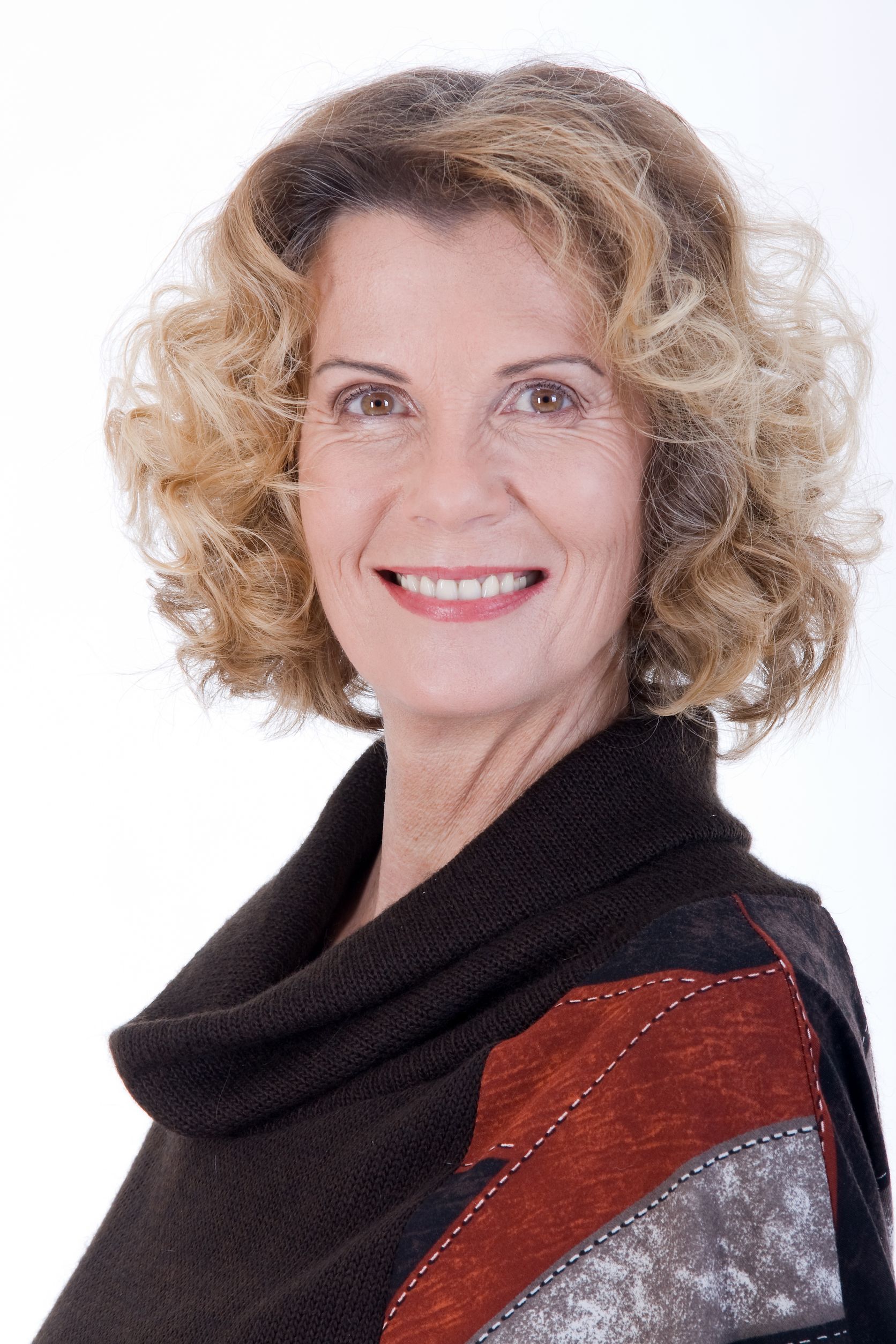
    2. Hair too long can visually drag the face down.  This depends on the condition of your hair and face shape also.  Most of the time shoulder length or shorter hair is more flattering as you age especially if the face has thinned in shape.
    3. If your hair is coloured ask your hairdresser about the best colour to use as you age.  Softness in colour is going to be more flattering rather than harsh blondes or black/dark brown.  This will all depend on skin colour and natural hair colouring.  Contrast will be more muted as we age.
    4. Keeping healthy with adequate water intake which would be 6-8 glasses of water on average.  As we age we tend to not respond to thirst as quickly.  Healthy food with a well balanced diet including protein, fruit and vegetables.  Adequate daily exercise is important also on average at least two hours a week in total. 
    5. The 3 S’s are the main factors which can age skin and our health a lot quicker – Smoking, Sun and Stress
    6. Stained or yellowed teeth.  Our teeth do usually darken with age just as hair lightens!  A good quality whitening toothpaste can help with this.  Also speak with your dentist about options.  Tooth Mousse is also a way to protect your tooth enamel from acidic or staining food and drink.
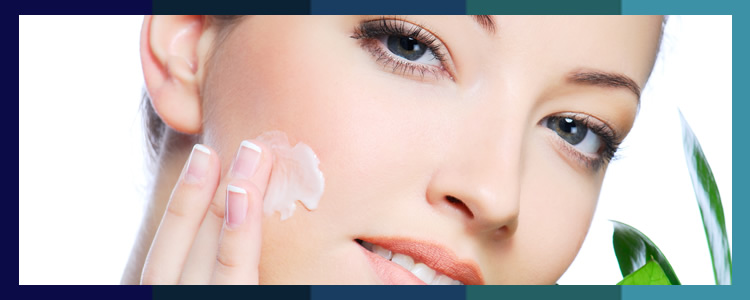
    7. Using good quality skincare.  Cleansing, toning and moisturising morning and night is really important especially as we age.   Use a specific night cream at night.  Use a day cream with SPF15+ and use a good body moisturiser every day.
    8. Too much makeup and also makeup that is too dark can add age to our faces.  Lighter and brighter rather than dark, deep colours in lipsticks especially is best.  
    9. Ensure your foundation garments are the right fit and shape for your body.  Arrange to have a bra fitting if you are unsure about whether you have changed in shape as you age.  Bra straps need tightening? You may be surprised about this difference this can make.
    10. Wearing the best clothing and accessory colours for your skin, hair and eye colour will ensure that you always look glowing and fresh no matter what age you are.  Recommendation is  to have a colour analysis at least every ten years.

    Best tip of all is …

    Keep happy and fulfilled doing some of what you love to do every day.  Do what you love and love what you do applies for any age …

    Contact Moana Robinson at Beauty Glow to enquire about consultations for Style, Colour and advice on all aspects of image consulting, skincare and makeup.
     

  • Your Skin

    Your Skin

    Are You Looking After your Largest Organ?

    Your skin is a living, breathing organ.  It is the largest organ of the human body.  It is complex in its structure and function. 

    Did you know that our skin comprises approximately 15% of our body weight; contains one half to two third of the blood in the body and one half of the primary immune cells?

    Our bones, muscles and our internal organs are  not exposed to the environment like  our skin is which is why it is so important that we look after this very large organ of our body.

    Each inch of skin contains

    ▪   Millions of cells

    ▪   15 feet of blood vessels

    ▪   12 feet of nerves

    ▪   650 sweat glands

    ▪   100 oil glands

    ▪   65 hairs

    ▪   1300 nerve endings

     There are two main layers the dermis and the epidermis.  The epidermis is the thinner outermost layer.  The dermis is the lower layer of the skin and is about 25 times thicker than the epidermis.  It provides the supporting framework of the skin and also contains numerous hair follicles nerves, glands and blood vessels.

    The depth of the epidermis varies in different areas of the body – for instance the depth of the epidermis on the soles of the feet and in the palms of the hand is thicker than the eyelid where it is extremely thin. 

    Primary functions of the skin are protection, sensation, heat regulations, excretion (through the sweat glands) to perspire and detoxify and secretion (through sebum or oil) and absorption – the skin selectively absorbs topical products and creams.

    Our skin needs to be looked after to keep it in optimum condition.  Plenty of water,  the right sort of nutrition (food), fresh air and exercise all contribute to healthy skin.

    Age, and also lifestyle factors affect our skin.  As we get older our skin thins and it loses its elasticity and strength.  Collagen gives skin its strength and elastin its elasticity. 

    We also need to use the right skin care.  Always use the best.  The best may not always be the cheapest and it may not always be the most expensive.  Knowledge and scientific research should be behind all good skincare products.  The range you use should always be free of harmful ingredients and should exceed industry standards for purity.  Clinical testing should always be carried out on the range of products you choose.

     Our skin cells do their work twice as fast at night while we are sleeping.  This is why it is so important to cleanse, tone and moisturise both morning and night.  We need to remove the dead skin cells that have built up overnight while our night cream has done its work – keeping the skin hydrated as well as assisting with this skin renewal process.

    It is so important to remove makeup before retiring at night.  One night of sleeping with your makeup on ages your skin by 7 days!!!

    Some people have great skin.  To keep it great they need to have a maintenance routine.  Some people have problem skin which can always be treated.

    There are basically four skin types – Oily dry normal and combination.   Your skin type is genetically determined

    To work out skin types beauty therapists and skin specialists normally look, ask and go by touch.  Oily skin types will have a shine even straight after cleansing, it will feel soft and supple to the touch.   Oily skin is characterized by excess sebum/oil production.  The follicle or pore size is larger and contains more oil.  If the pore size is larger over most of the face this would indicate an oily skin.  Oily skin requires more cleansing and exfoliating than most skin types.  It is prone to blemishes because the pores get clogged with oil and dead skin cell build-up. 

    Dry skin will usually be fine in texture.  The follicles are usually small.  The natural oil secretions in follicles help protect us from environmental damage and ageing.  Dry skin needs extra care because it lacks this normal protection

    Normal skin has a good oil or water balance.  It can fluctuate and sometimes will be a little more dry or oily.  The follicles are a normal size and the skin is usually free from blemishes.  Maintenance and preventative care is the goal for this type of skin.

    90% of skin ageing is environmental, lifestyle and how we look after ourselves.  Only 10% is hereditary. 

    Sun exposure, smoking and stress are three of the biggest factors that contribute to premature ageing of the skin.

    It’s as easy as maintaining good skin with simple daily care. 

    ▪   Focus on one problem at a time

    ▪   Always be bothered

    ▪   Never skip your routine

    ▪   The results are worth the effort

    Contact Moana Robinson at Beauty Glow to find out more about a simple skincare routine that you can use at home to look after your skin.